Shenzhen University, October 30, 2025–The Institute of Area and International Communication Studies and the Center for Pakistan Studies at Shenzhen University hosted a distinguished lecture by Professor Zhou Rong, a renowned expert on Pakistani affairs. The lecture, titled “US-Pakistan Relations and the Evolving Regional Landscape”, provided a deep dive into the rapid warming of bilateral ties between Pakistan and the United States, its ripple effects on India-Pakistan relations, and the broader strategic implications for the region.
Professor Dai Yonghong, Director of the Center for Pakistan Studies, presided over the event. The lecture attracted an engaged audience of nearly 20 faculty and students from the School of Foreign Languages, the School of Communication, and the Institute of Area and International Communication Studies.
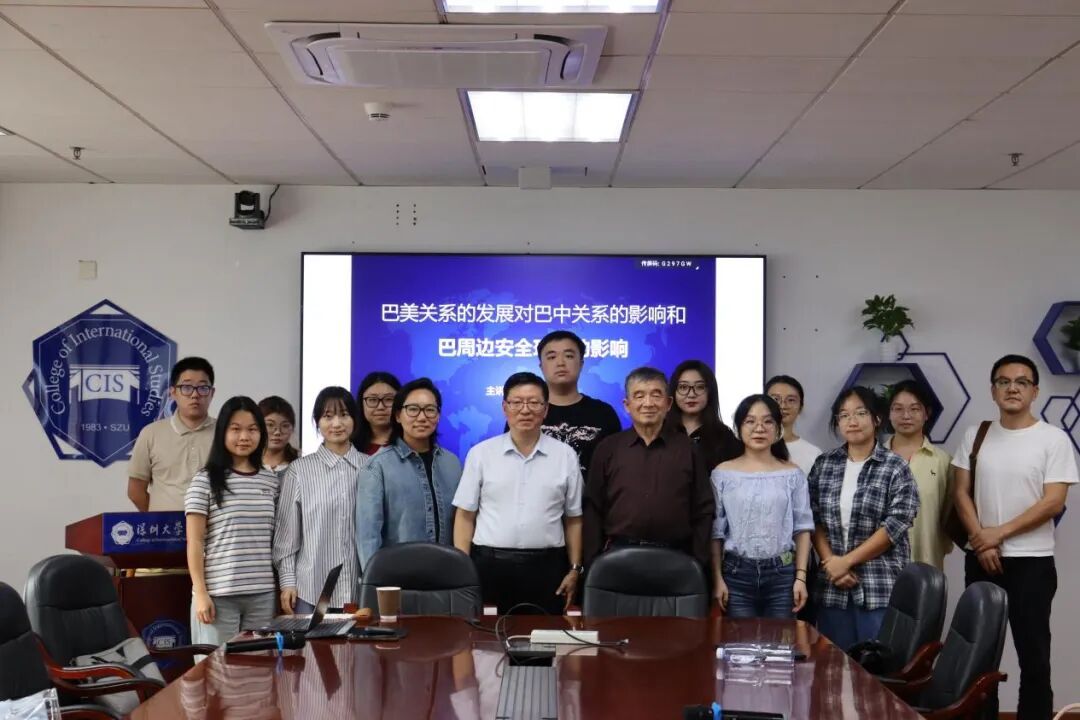
Professor Zhou began by outlining key recent developments in US-Pakistan relations. He noted that Pakistan, as China’s all-weather strategic cooperative partner, has been active diplomatically, with high-level exchanges sequentially conducted with China and the United States, signaling a phase of rapid rapprochement between Washington and Islamabad.
He highlighted the continued deepening of cooperation in counter-terrorism and positive progress in joint mineral resource development as significant features of the current relationship.
A central part of Professor Zhou’s analysis focused on the impact of this warming trend on the regional balance of power, particularly concerning US-India and India-Pakistan relations. He suggested that the advancement of US-Pakistan cooperation introduces new complexities for US-India strategic coordination, which the United States has long considered a cornerstone of its strategy in the Indo-Pacific and South Asia. This development, he argued, requires Washington to make more delicate trade-offs in its relationships with both New Delhi and Islamabad.

Regarding India-Pakistan relations, Professor Zhou indicated that enhanced US-Pakistan ties could introduce additional variables into an already complex dynamic. He explained that the historical tensions and ongoing conflicts of interest between India and Pakistan could be further influenced by Pakistan's potentially elevated international standing resulting from closer US engagement. This might lead to more intense interplay between the two South Asian neighbors on issues ranging from border management to regional influence, posing challenges to stability.
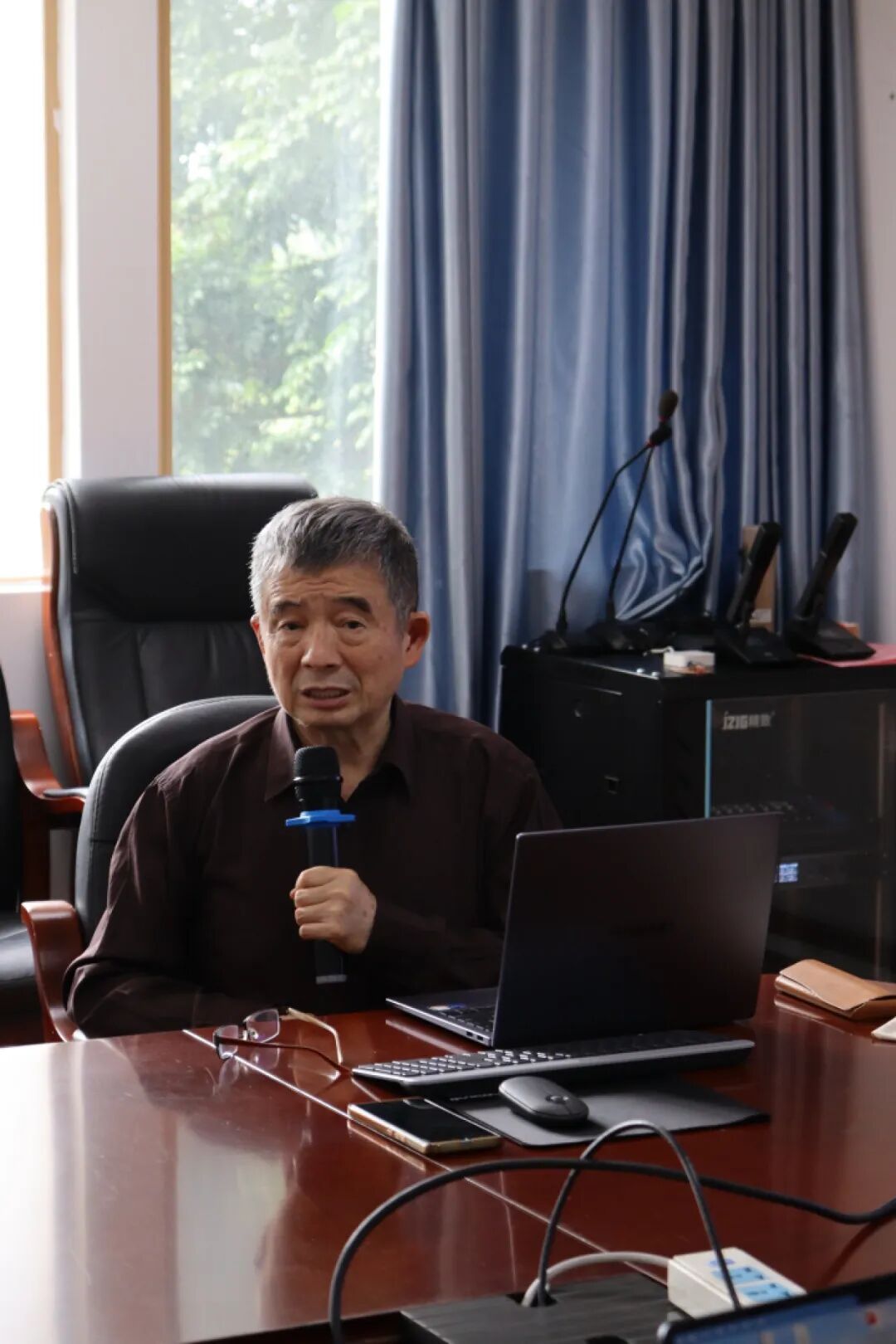
Looking ahead, Professor Zhou emphasized that the warming US-Pakistan relations are a strategic choice driven by converging interests. For the US, partnership with Pakistan offers a pathway to deeper engagement in South Asia and a means to address shared concerns like counter-terrorism. For Pakistan, cooperation brings potential economic and technical benefits. However, he also pointed to uncertainties, noting that differences in approaches, benefit-sharing, and policy coordination could affect the depth and sustainability of the partnership.
Professor Zhou also addressed China’s perspective, stating that as Pakistan's all-weather strategic partner, China remains committed to the principle of non-interference and to fostering its longstanding friendly ties with Pakistan. He expressed China’s hope for sustained peace and stability in South Asia, where disputes are resolved through dialogue, and reiterated China's willingness to contribute to regional development and prosperity through cooperative engagement.
The lecture, rich in content and insightful analysis, provided a comprehensive framework for understanding the complexities of contemporary South Asian geopolitics. Professor Zhou’s expertise sparked thoughtful questions and lively discussion among attendees, making the event a valuable platform for academic exchange and a significant reference for practitioners in the field.
First Proofreader: Zhang Lin
Second Proofreader: Fu Le
Third Proofreader: Dai Yonghong